Looking for a home in Burbank near the studios can feel exciting and complicated at the same time. You may love the idea of being close to major employers, shorter work trips, and the energy of a studio-adjacent location, but you also want to make a smart decision about price, traffic, noise, and day-to-day livability. This guide walks you through what makes this part of Burbank unique, what to watch for block by block, and how to buy with more confidence. Let’s dive in.
Why studio-adjacent Burbank stands out
Burbank is not just another Los Angeles area city with a few entertainment offices nearby. The city identifies itself as the Media Capital of the World, with more than 1,000 media and entertainment companies, including Walt Disney Studios, Warner Bros., Cartoon Network, Netflix, and Nickelodeon.
That concentration of employers shapes how people shop for homes in this part of town. If your work is tied to production, post-production, hospital shifts, or other studio-adjacent schedules, being near the Media District can change your daily routine in a very real way.
The Media District is also a formal planning area in southwest Burbank, not just a casual nickname. City planning documents describe it as a regional employment center built around media-oriented and commercial uses, and the city is updating the plan to reduce barriers to housing production, streamline permitting, and improve transportation access.
What “near the studios” really means
One of the biggest mistakes buyers make is assuming studio-adjacent Burbank feels the same from one block to the next. It does not. This area is more of a patchwork than a single, uniform neighborhood.
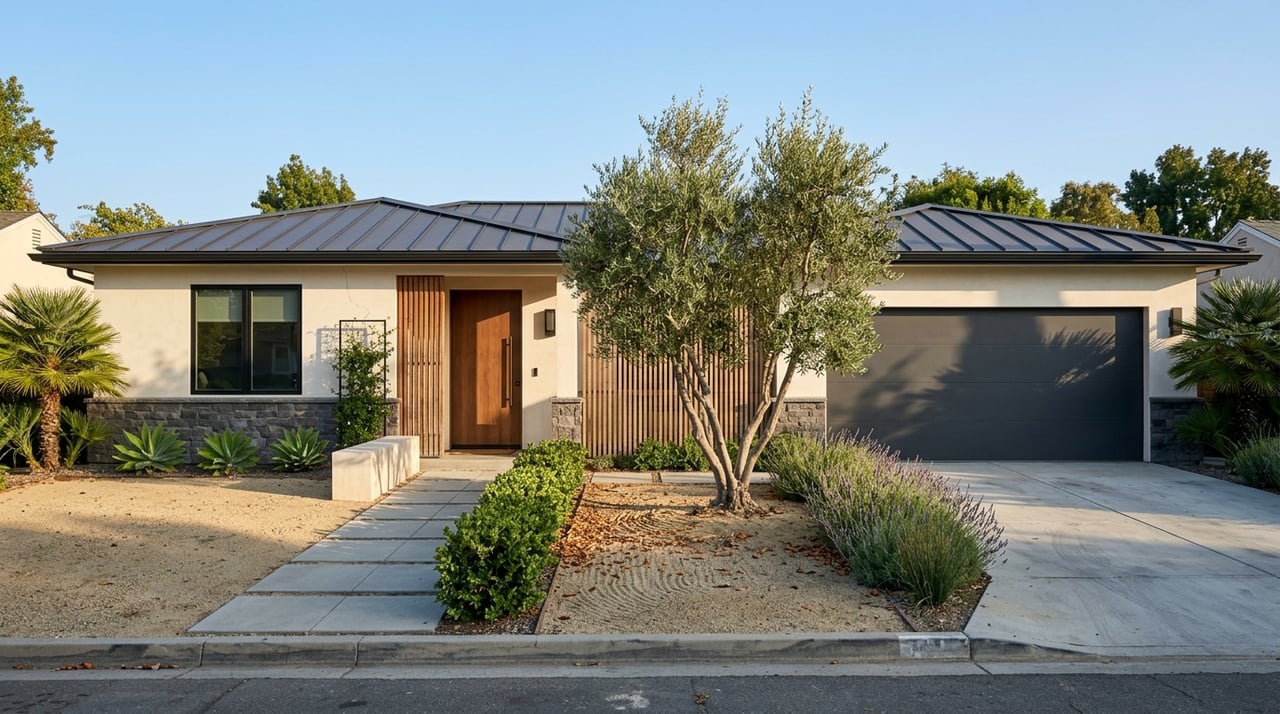
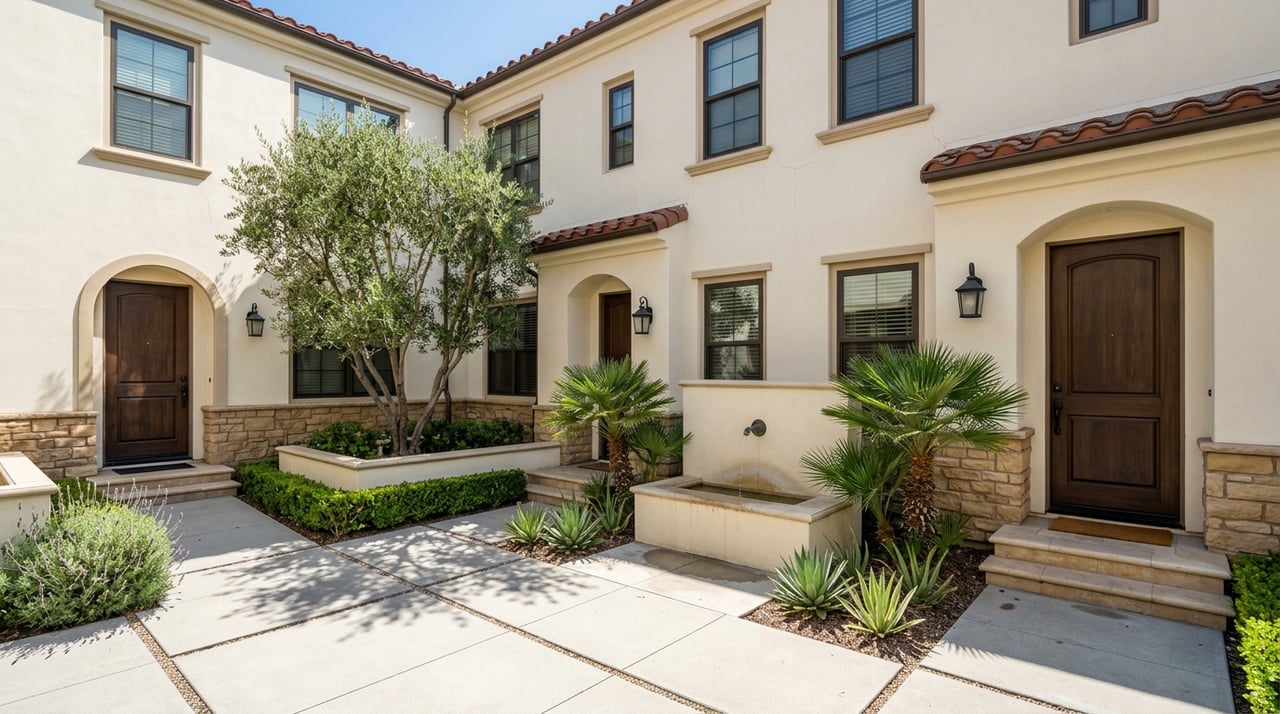
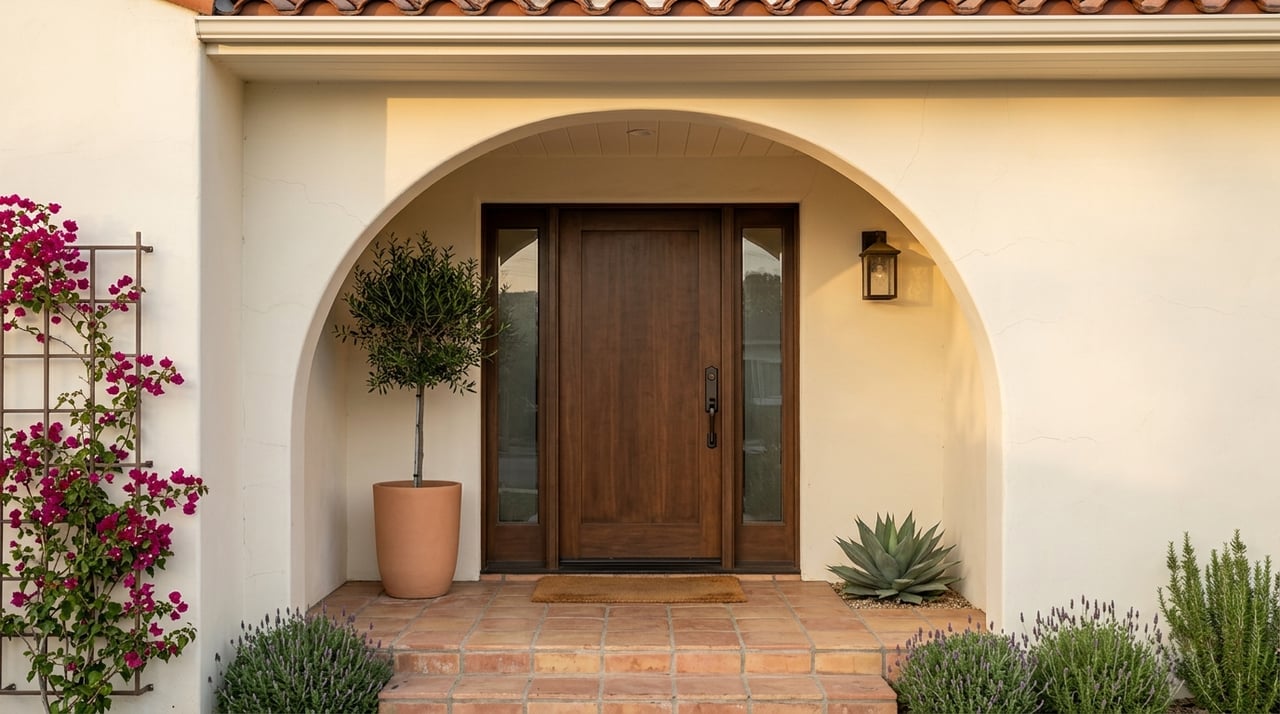
Burbank’s housing stock near the studios includes older detached homes, condos, townhomes, and low-rise multifamily buildings. The city’s historic preservation materials point to a mix of late California Bungalows, Spanish and English or Tudor Revival homes, early California Ranch houses, and some Streamline Moderne properties.
That means your options can vary a lot even within a small search area. You might tour a classic older single-family home on one street, then see a condo or townhome option just a few blocks away on a busier corridor.
Neighborhood character changes quickly
The city’s Media District planning materials help explain why the area can feel so different from block to block. The district was designed to support media and commercial activity while also protecting nearby single-family neighborhoods through density limits, height restrictions, development standards, and traffic diversion techniques.
For you as a buyer, that matters. A listing may say it is near the studios, but the real lifestyle difference often comes down to whether the home sits near the commercial core, along a major street, or on a quieter interior block.
This is why it helps to evaluate each home beyond the neighborhood name. In this part of Burbank, the street itself can matter almost as much as the property.
What current prices suggest
Burbank is not a one-price market, and the studio-adjacent areas prove that clearly. Recent neighborhood snapshots show directional differences in pricing near the studios, even though monthly sales counts can be small.
Here is a quick look at the recent median sale price snapshots mentioned in the research:
| Area | Median Sale Price |
|---|---|
| Media Center | $1,559,475 |
| Magnolia Park | $1,405,000 |
| Chandler Park | $1,329,506 |
| Rancho Adjacent | $1,286,517 |
These figures are best treated as snapshots, not fixed tiers. Still, they show an important pattern: homes closer to the Media District can command different premiums than nearby residential pockets.
At the city level, Redfin shows Burbank’s median sale price at $1,237,260 in May 2026. Homes typically took 49 days to sell and received 2 offers on average, which points to a market where preparation matters, especially in the more competitive pockets.
Balancing commute and budget
For many buyers, the draw of this area starts with convenience. Burbank residents report a mean commute time of 26.0 minutes, and for studio workers or buyers with irregular schedules, shaving time off the drive can be a major quality-of-life win.
But convenience usually comes with tradeoffs. A more central location near the studios may reduce commute friction, while a slightly less central pocket may offer more space, a quieter street, or a different housing type.
That is why your budget should be built around lifestyle priorities, not just the highest price you can qualify for. In studio-adjacent Burbank, the better question is often not “What is the cheapest home near work?” but “Which tradeoffs make the most sense for how I live?”
Transit options can add flexibility
Even if you plan to drive most days, transit access can still be useful in this part of Burbank. The BurbankBus Pink Route runs from Downtown Burbank Metrolink Station along Olive Avenue through the Media District to the Universal/Studio City station.
The Orange Route connects the North Hollywood station area to Hollywood Burbank Airport along Burbank Boulevard. For buyers with irregular hours, airport pickups, or days when freeway traffic becomes unpredictable, those connections can provide a helpful backup plan.
Transit may not be the main reason you buy a home here, but it can become a meaningful part of your daily routine once you move in.
Noise is a real buying factor
Airport noise is part of the Burbank conversation, and it is smart to treat it seriously. The city says noise impacts have been reduced since 1978 through quieter aircraft and more than $100 million in residential acoustical treatment grants for qualified schools and homes.
Even so, noise exposure can vary significantly by block. Two homes in the same general area may feel very different depending on orientation, flight patterns, window quality, and time of day.
When you tour homes near the studios, do not rely on the map alone. Visit at different times, step outside, pause with the windows open if possible, and pay attention to the full sound environment.
Traffic patterns matter more than distance
In this part of Burbank, the shortest route is not always the easiest route. City materials for the I-5 and Empire Avenue improvements were designed to relieve congestion, improve circulation, and provide better access to the Empire Center and the airport.
The city has also highlighted the Burbank Boulevard interchange reconstruction and the railroad grade separation at Buena Vista Street. In addition, local access near studio-adjacent areas can depend on streets like Riverside Drive, North Hollywood Way, West Olive Avenue, and North Screenland Drive.
For you, that means commute quality depends on route, timing, and traffic generators, not just straight-line distance to a studio gate. A home that looks close on paper can feel less convenient if your daily route crosses busier corridors at the wrong times.
What to check before you write an offer
In a market like this, details matter. Before you move forward on a home near the studios, it helps to look at the property through a practical lens.
Focus on questions like these:
- Is the home on a quieter interior street or a busier corridor?
- How easy is parking for your household and guests?
- What does the street feel like during peak commute hours?
- How noticeable is airport or traffic noise at the property itself?
- What is the most realistic route to work, not just the fastest route on a map?
- Does the housing type fit your needs, whether that is a detached home, condo, or townhome?
These are not small details. In studio-adjacent Burbank, they are often the difference between a home that simply looks good online and one that truly works for your routine.
A smart offer strategy for this market
Because nearby pockets range from somewhat competitive to very competitive, it helps to come in prepared instead of rushed. Clean financing, clear priorities, and a grounded comparable-sales strategy can help you make stronger decisions.
It is also worth staying flexible on timing and home type. In some cases, a condo, townhome, or a home on a slightly different block may give you a better overall fit than stretching for the first listing closest to a major studio.
Inspections are especially important here because they help confirm the practical issues that shape everyday life in this part of Burbank. You want to verify parking, traffic access, sound conditions, and how the property sits within the surrounding street pattern.
Why local guidance matters
Buying near the studios is rarely just about buying close to work. It is about matching your budget, commute, property type, and lifestyle expectations to a part of Burbank where conditions can change quickly from one pocket to the next.
That is where neighborhood-level guidance can make the process feel much clearer. When you understand the block, not just the zip code, you are better positioned to spot value and avoid surprises.
If you’re thinking about buying in Burbank near the studios and want a practical, neighborhood-focused plan, reach out to Alin Kazarian for personalized guidance.
FAQs
What is the Media District in Burbank?
- The Media District is a formal planning area in southwest Burbank centered around media-oriented and commercial uses, including major studio employers and Providence Saint Joseph Medical Campus.
What types of homes can you find near the studios in Burbank?
- Buyers can find a mix of older single-family homes, condos, townhomes, and low-rise multifamily properties, with styles that include Bungalows, Spanish and Tudor Revival homes, and California Ranch houses.
Are homes near the studios in Burbank more expensive?
- Recent neighborhood snapshots suggest that some studio-adjacent pockets, such as Media Center, can command higher median sale prices than nearby areas, though pricing should be viewed as directional and can shift with small sales counts.
Is airport noise a concern when buying a home in Burbank?
- It can be, because noise exposure varies by block. The city notes long-term noise reduction efforts, but buyers should still verify sound conditions at each property in person.
How important is traffic when buying near the studios in Burbank?
- Traffic is a major factor because day-to-day convenience depends on your actual route, time of day, and proximity to major streets like Olive Avenue, Riverside Drive, and North Hollywood Way.
Is transit useful for studio-adjacent buyers in Burbank?
- Yes, for some buyers. The Pink and Orange BurbankBus routes connect key areas including the Media District, Universal/Studio City, North Hollywood, and Hollywood Burbank Airport, which can provide extra flexibility.
How competitive is the Burbank housing market for buyers?
- Citywide data in the research shows homes typically took 49 days to sell and received 2 offers on average, while some neighborhoods near the studios were described as somewhat competitive or very competitive.
What should buyers verify before making an offer near the studios in Burbank?
- Buyers should closely review parking, traffic flow, airport and street noise, commute routes, and whether the home sits on a quieter interior block or a busier corridor.