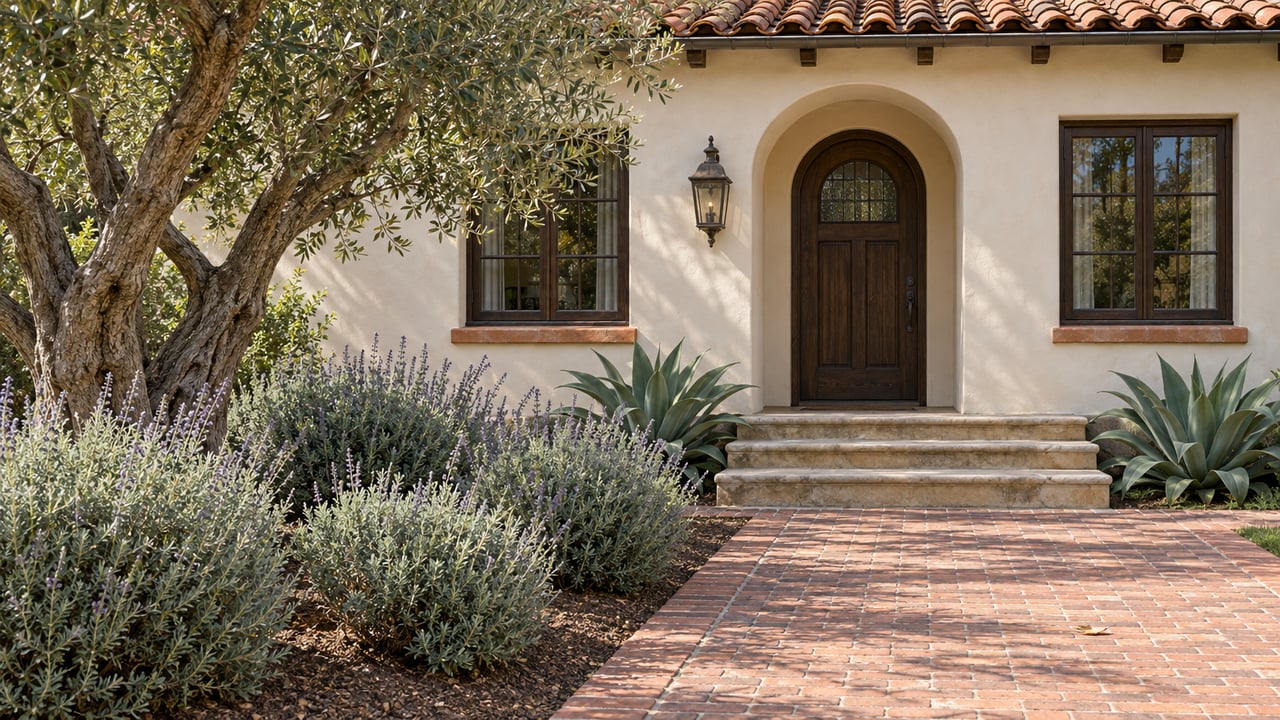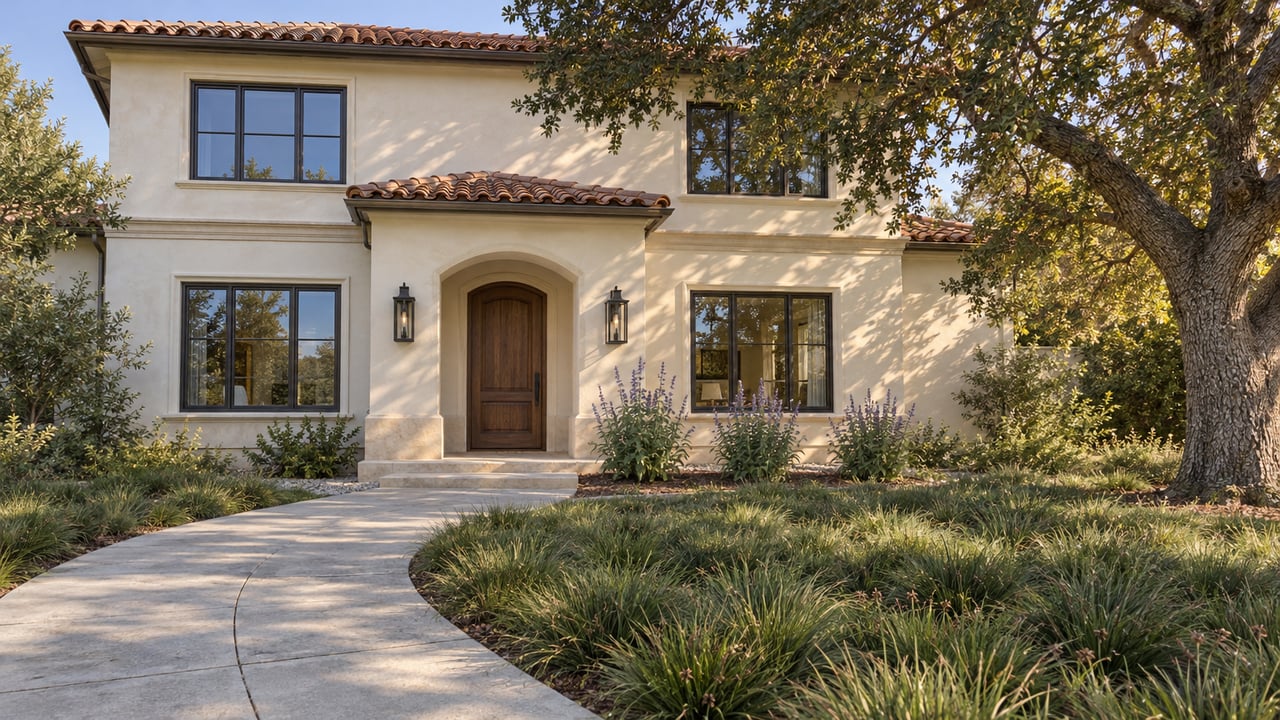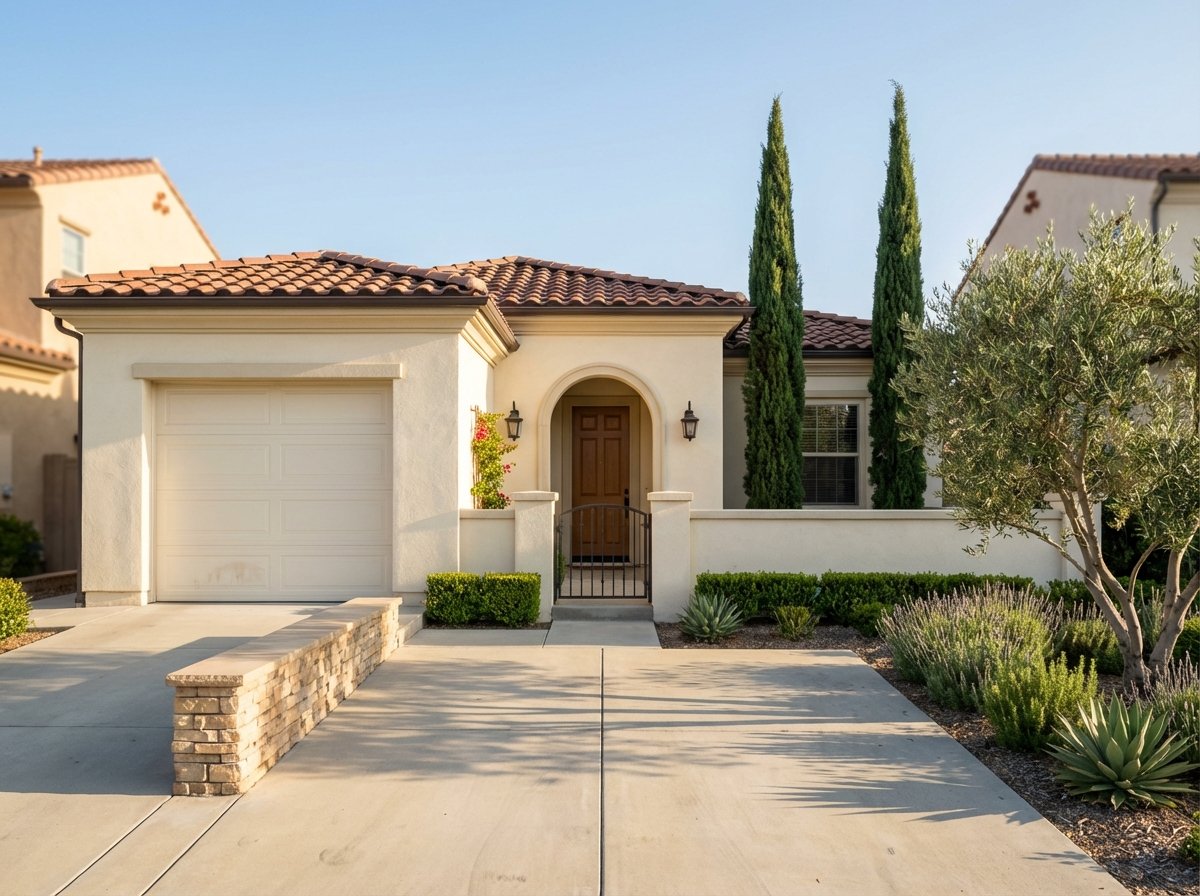
Wondering how to buy your first home in Canyon Country without guesswork? You want a clear plan, the right payment, and a home that fits your life. This guide gives you local numbers, what to expect from homes and HOAs, how first-time buyer financing works, and the inspections that matter here. Let’s dive in.
Canyon Country market snapshot
Canyon Country sits in the lower to mid tier of Santa Clarita Valley prices, though still above many inland markets. Recent snapshots showed a median in the low to mid 700s, depending on source and date. For example, data through Jan 2026 reported around $743,900; other late-2025 sources showed about $655,000 to $733,000. Median days on market often land near 60 to 80 days, which feels balanced to modestly competitive.
If you are comparing buy vs rent, recent rents hovered near $3,750 per month in some snapshots. That number gives you a starting point when you weigh your total monthly housing cost. Always confirm current figures with a fresh market check before you write an offer.
Starter price bands
Here is what “starter” typically means in Canyon Country:
- Condominiums: often in the $350,000 to $550,000 range.
- Townhomes and attached PUDs: commonly $450,000 to $650,000.
- Entry single-family homes: generally $550,000 to $900,000, with newer or larger homes rising above that.
Actual pricing varies by neighborhood, lot, year built, and whether a tract carries a special tax or larger HOA dues. Your monthly budget should account for those items along with principal, interest, taxes, and insurance.
Homes and floorplans to expect
Canyon Country offers a mix of older tracts and newer master-planned communities. Older pockets (1970s to 1990s) tend to have larger yards and fewer HOA rules. Newer plans emphasize shared amenities like pools, trails, and clubhouses, which is great if you want low-maintenance living with community perks.
- Condos: 1 to 2 bedrooms, roughly 700 to 1,100 square feet. Older buildings often have single-level layouts. Many HOAs include exterior maintenance and sometimes select utilities.
- Townhomes and attached PUDs: 2 to 3 bedrooms, about 1,100 to 1,700 square feet, usually two stories with bedrooms upstairs and an attached garage. Many sit in communities with pools and playgrounds.
- Starter detached homes: 3 bedrooms with 2 to 3 baths are common in older tracts, roughly 1,200 to 2,000 square feet. Newer builds often run 1,600 to 2,500 square feet with open great rooms and attached two-car garages.
You will also find hillside lots and semi-rural pockets, including areas near Sand Canyon. These can come with specific inspection and insurance needs, so plan extra diligence if you shop there.
HOA and Mello-Roos explained
Homeowners association dues are recurring charges to maintain shared areas and services. Mello-Roos, also called a Community Facilities District or CFD, is a special tax on the property tax bill that helps repay bonds used to build public infrastructure in newer subdivisions. Lenders include both HOA dues and recurring special taxes in your housing payment calculation, which affects how much home you can qualify to buy.
Many newer Canyon Country tracts and townhome communities carry both HOA dues and a CFD. Older detached neighborhoods often have little to no HOA and no CFD. The presence and dollar amount are property specific, so verify them for every address you consider.
Here is quick math to help you budget CFD amounts:
- $600 per year is about $50 per month.
- $1,800 per year is about $150 per month.
- $4,800 per year is about $400 per month.
Before you remove contingencies, request and review these items:
- The current year property tax bill to confirm any CFD or special assessments. Use the county tax records to locate the bill for the specific property address. The Los Angeles portal is a good starting point for understanding where special taxes appear on a bill. Learn where to look on a tax bill.
- The HOA resale/estoppel package. It should show dues, insurance coverage, rules, reserves, meeting minutes, and any pending special assessments.
- A Preliminary Title Report. It will show recorded assessments, CC&Rs, easements, and other encumbrances you should understand.
Financing for first-timers
Most first-time buyers in Canyon Country use one of three paths: FHA, low-down conventional, or a state or county assistance program layered with a primary loan. Your exact options depend on credit, income, debt, and reserves. A lender who works with first-time buyer programs can model scenarios for you. For an overview of common first-time buyer mortgages, see this plain-language guide to first-time home buyer loans.
Key options to explore:
- FHA loans: Often helpful if you need flexible credit and a lower down payment. The minimum down is commonly 3.5 percent for qualifying buyers.
- 3 percent down conventional: Programs like Fannie Mae HomeReady or Freddie Mac Home Possible can offer just 3 percent down for qualified first-time buyers.
- CalHFA MyHome Assistance Program: A deferred-payment junior loan that can cover a portion of your down payment or closing costs when paired with a CalHFA first mortgage. Amounts often cap at the lesser of 3 percent on conventional or 3.5 percent on CalHFA FHA, subject to program rules. Review current details and required education on the CalHFA MyHome page.
- California Dream For All: A shared appreciation down payment program that can provide up to 20 percent assistance, capped at $150,000, for qualified first-generation buyers. CalHFA reopened voucher registration windows in 2026, with timing and availability subject to change. Read the official CalHFA announcement.
- Los Angeles County HOP: The county’s Home Ownership Program offers deferred-payment, 0 percent interest second loans for eligible first-time buyers, with income and purchase price limits. Learn how HOP works and who qualifies on the LACDA program page.
Helpful notes:
- Many programs require a 6 to 8 hour homebuyer education course. Start early so your lender can document it.
- In some cases, you can “stack” assistance programs, such as CalHFA plus a county program, if both sets of rules allow it. Confirm stacking during preapproval so your offer is realistic and strong.
Inspections to prioritize
Canyon Country spans flat tracts, foothills, and semi-rural pockets, so your inspection plan should match the location and the home’s age and materials. Here is a focused checklist that fits local conditions:
- General home inspection: structure, roof, plumbing, electrical, and HVAC, with attention to water heater bracing and earthquake safety.
- Termites and wood-destroying organisms: A full WDO inspection is common in Los Angeles County and often required by lenders. Learn what the WDO report covers from the California Structural Pest Control Board.
- Stucco and moisture: If you see staining or suspect past leaks, consider targeted moisture-probe testing, especially on stucco or EIFS systems. Read more on common issues in this stucco moisture article.
- Wildfire risk and insurance: Parts of Canyon Country fall within Very High Fire Hazard Severity Zones. Check your address on the state viewer and get an early insurance quote by address. Start with the Cal FIRE hazard severity zone resources.
- Hillside and soils: If the home sits on or near a slope, a geotechnical or soils review can flag drainage or stability issues before you commit. See local guidance from LA County Building and Safety.
- Title, taxes, and assessments: Confirm if any PACE liens, solar leases, or special assessments will transfer. Cross-check the Preliminary Title Report and the property tax bill. If you are new to reading a bill, this resource shows where special taxes appear on Los Angeles property tax records.
If wildfire risk applies, ask the inspector about defensible-space best practices and budget time for any required clearance. Your insurance quote can change your total monthly payment, so do not skip that step before you remove contingencies.
Smart shopping and negotiation
- Get a strong, written preapproval from a lender who understands CalHFA and county programs if you plan to use assistance. This sets your price ceiling and helps you write a clean offer.
- Price your monthly budget with all costs: mortgage, property taxes, insurance, HOA dues, and any CFD special tax. To estimate a CFD, divide the annual amount by 12 and add it to your housing payment.
- Verify all recurring costs before you waive contingencies. Review the HOA resale package and the current tax bill for any pending assessments or increases.
- Use inspections to negotiate. If you uncover a material defect, you can request seller credits, a price reduction, or an escrow holdback to complete repairs after closing. Your agent will help you tailor the ask to the condition and the comps.
Buying your first home here should feel informed, not rushed. If you want help mapping your price band, aligning the right program with your goals, and negotiating with confidence, connect with Alin Kazarian for local guidance and a step-by-step plan.
FAQs
What counts as a starter home in Canyon Country?
- Condos often run $350,000 to $550,000, townhomes $450,000 to $650,000, and entry single-family homes $550,000 to $900,000, with exact pricing varying by neighborhood and features.
How do HOA dues and Mello-Roos affect my loan approval?
- Lenders add recurring HOA dues and special taxes to your housing payment, which can lower your maximum purchase price, so verify both amounts for every property before you write an offer.
Which first-time buyer programs help in Los Angeles County?
- CalHFA MyHome and Dream For All provide down payment support for eligible buyers, and the county’s HOP program offers deferred-payment second loans, all with specific rules, income limits, and education requirements.
What inspections are most important for Canyon Country homes?
- Plan for a general inspection, termite/WDO report, stucco moisture checks if needed, wildfire risk and insurance review, and hillside or soils evaluations for slope properties.
How competitive is the Canyon Country market right now?
- Recent snapshots show balanced to modest competition, with many homes taking around two to three months to sell, though well-priced homes and updated properties can move faster.
How do I compare renting vs buying locally?
- Use recent rents near $3,750 per month as a starting benchmark, then model principal, interest, taxes, insurance, HOA dues, and any Mello-Roos to compare total monthly cost and long-term equity.