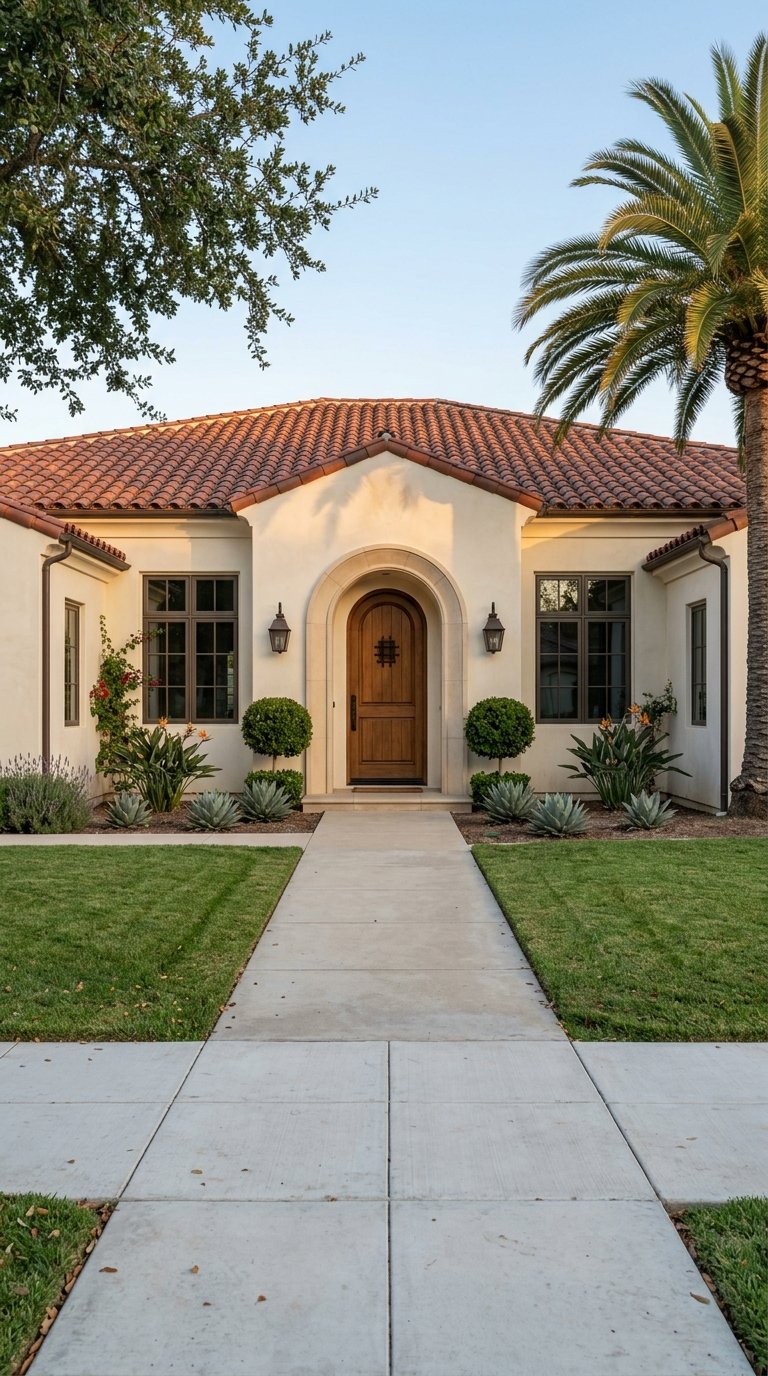
If you want a Los Angeles-area city with real character, Pasadena is hard to ignore. You may be looking for beautiful streets, a strong café scene, easier daily routines, or a place that feels established without feeling stuck in the past. Pasadena brings those pieces together in a way that feels both practical and inspiring. Let’s dive in.
Why Pasadena Stands Out
Pasadena offers a mix that many buyers and movers are searching for: historic architecture, walkable commercial areas, major parks, and regional access. With about 135,804 residents, it feels substantial enough to support a full daily lifestyle while still giving you distinct neighborhood identities.
The city also blends local living with broader Los Angeles connections. Census data shows a mean travel time to work of 26.9 minutes, which points to a lifestyle shaped by both neighborhood routines and regional commuting.
Pasadena Architecture Has Real Range
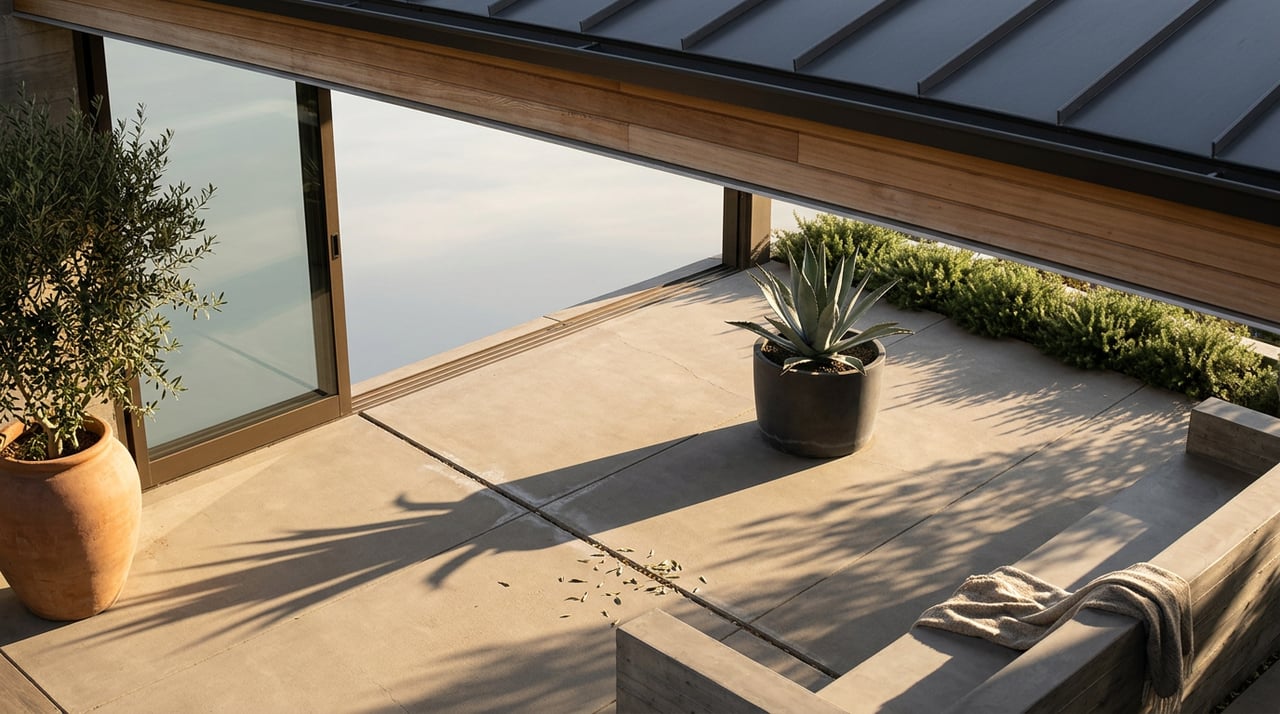
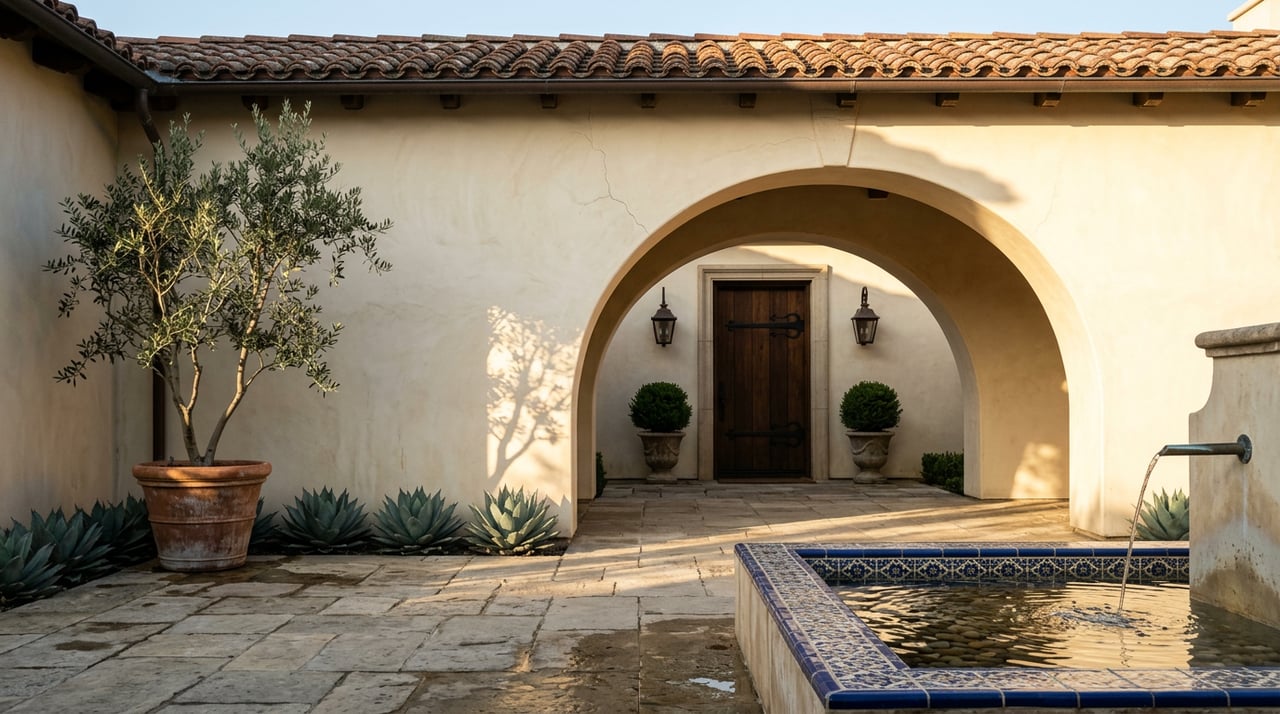
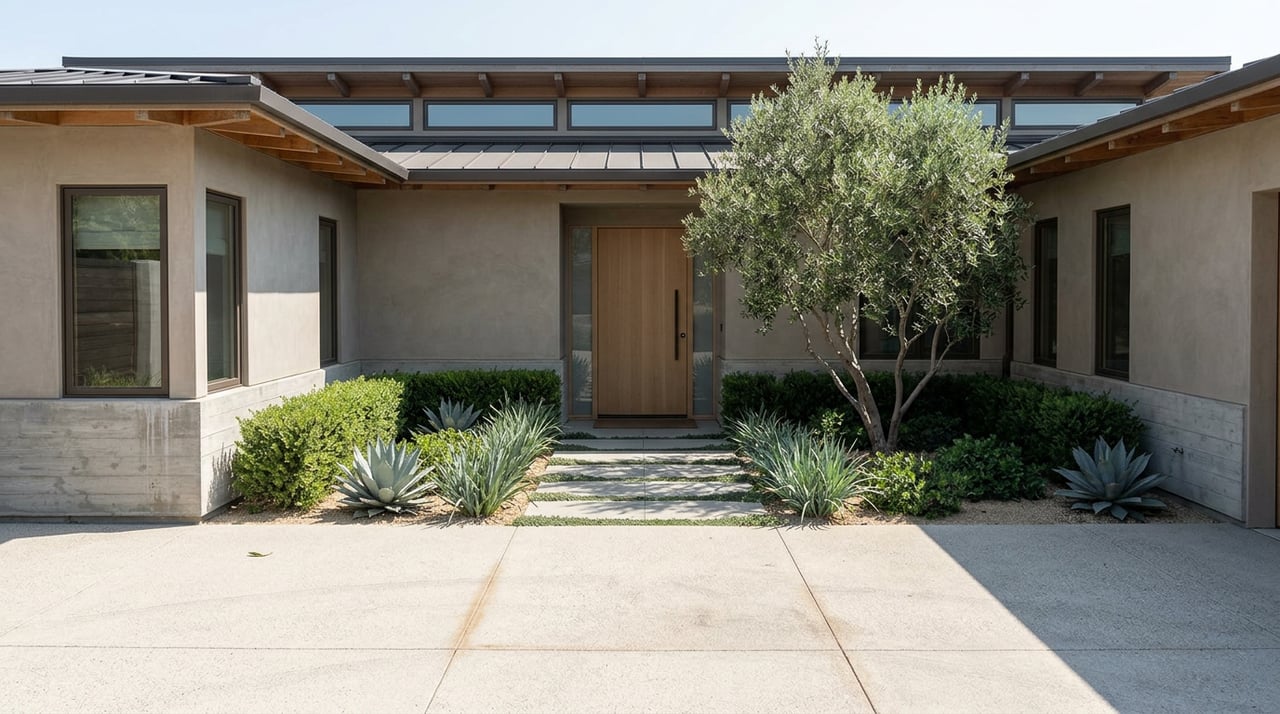
One of Pasadena’s biggest draws is how much architectural variety you can see in a relatively compact area. City planning materials describe Pasadena as a center of architecture in Southern California, with styles that include late Victorian, Craftsman, California Bungalow, period revival styles, early modernism, postwar modernism, Ranch, Mid-century Modern, Corporate Modern, and Googie.
That variety matters if you care about more than square footage. In Pasadena, the home itself is often part of the lifestyle. You are not just choosing a floor plan. You are often choosing a setting, a streetscape, and a design story.
Historic Homes Shape Daily Life
Pasadena has more than 375 designated historic properties and dozens of historic districts, including Old Pasadena and Bungalow Heaven. That helps explain why so many parts of the city feel visually distinct and rooted in place.
The city’s residential history also shows that post-World War II growth was largely infill within existing neighborhoods. Later freeway expansion reshaped parts of the city, which helps explain why older homes, postwar homes, and renovated blocks can sit close together.
Bungalow Heaven and the Pasadena Look
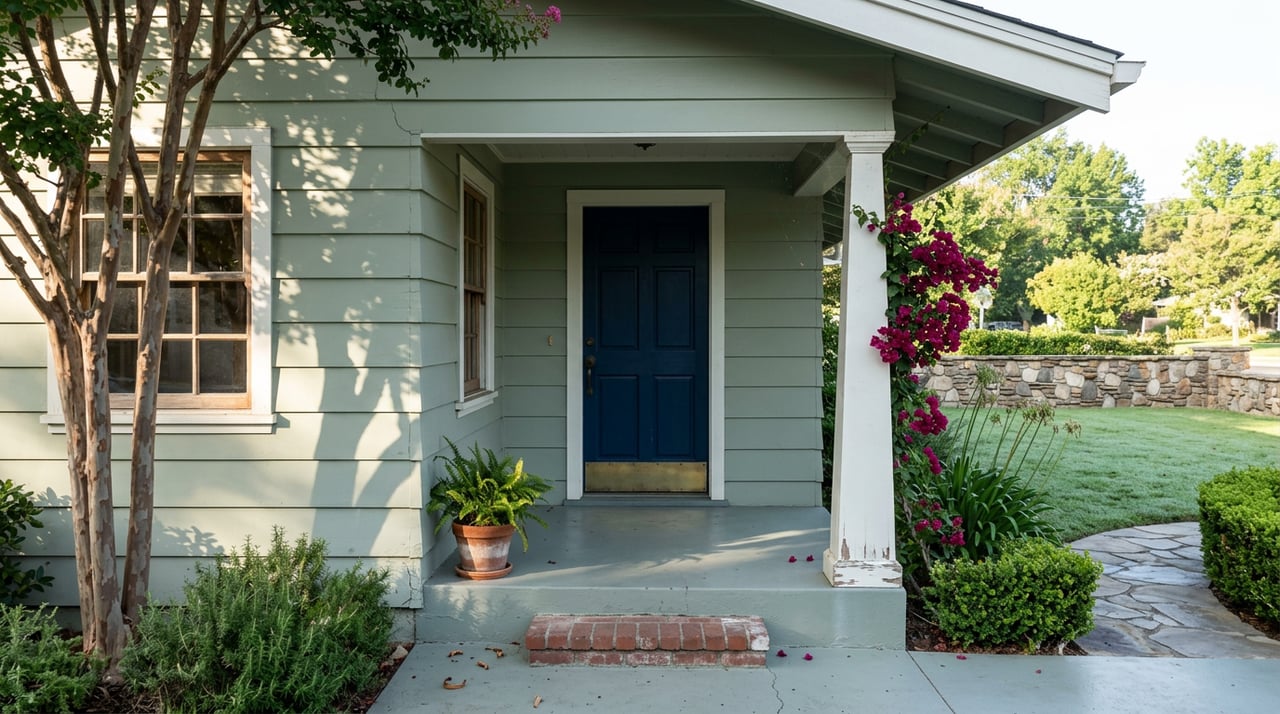
If you picture classic Pasadena charm, Bungalow Heaven often comes to mind. The district’s design guidelines describe a pattern of modest one- and one-and-a-half-story bungalows, low front porches, detached rear garages, consistent setbacks, and street trees.
That combination creates a recognizable look and a slower visual rhythm. Even if you never live in a designated historic district, this style helps define how Pasadena is perceived by both residents and visitors.
The Bungalow Court Legacy
Pasadena is generally credited as the birthplace of the bungalow court, a low-density multifamily housing form organized around a shared landscaped courtyard. The city’s bungalow court tour includes 17 examples across Pasadena.
This matters because it shows that Pasadena’s housing story is not limited to large historic single-family homes. The city also has distinctive smaller-scale housing patterns that add to its charm and variety.
Cafés Are Part of the Routine
For many people, daily life is not just about where you sleep. It is about where you grab coffee, meet a friend, take a laptop for an hour, or reset between errands. Pasadena’s café culture supports that kind of routine well.
Visit Pasadena’s coffee guide shows cafés spread throughout the city, and listings for places like Criterion Coffee and Copa Vida highlight features such as free Wi-Fi, outdoor seating, and comfortable gathering spaces. Those amenities suggest a city where cafés are built into everyday use, not just weekend outings.
Old Pasadena Brings Energy and Atmosphere
Old Pasadena is one of the city’s best-known hubs for daily activity. Visit Pasadena describes it as a 22-block National Register Historic District known for restored late 19th- and early 20th-century architecture, open-air shopping, hidden laneways, and restaurant-lined streets along Colorado Boulevard.
That creates a setting where architecture and routine overlap. You can run errands, meet for coffee, dine out, and still feel connected to the city’s historic character.
South Lake and Playhouse Village Feel Different
Pasadena does not revolve around one single commercial district. South Lake Avenue is described as a 12-block stretch of boutiques, restaurants, and wellness businesses, while Playhouse Village is known for museums, galleries, eateries, and independent shops.
That gives you options depending on the kind of day you want. Some areas feel polished and active, while others lean more arts-focused or neighborhood-oriented.
Civic Center Adds Another Layer
The Civic Center District contributes yet another side of Pasadena living. Visit Pasadena highlights Beaux-Arts and Mediterranean architecture alongside bakeries, ice skating, and live stage productions.
This is part of what makes Pasadena feel layered. Your routine can include practical stops and quiet moments, but it can also include architecture, events, and public spaces that make the city feel memorable.
Outdoor Life Is Easy to Access
A lot of Pasadena’s appeal comes from how easily urban life connects with outdoor space. The Arroyo Seco is central to that experience and gives the city a strong natural backbone.
The city describes Arroyo Seco Natural Park as Pasadena’s largest natural open space, with about 900 acres and 22 miles of trails for walking, biking, picnicking, bird-watching, and other recreation. That is not a small amenity tucked off to the side. It is a major part of how people can use the city day to day.
Big Parks Support Everyday Recreation
Pasadena also offers other substantial outdoor spaces. Hahamongna Watershed Park covers 1,300 acres, and Brookside Park is the city’s largest fully maintained park facility at 61.1 acres just south of the Rose Bowl.
Taken together, these spaces support a lifestyle where getting outside can be a regular habit. Whether you prefer a trail, open parkland, or a simple afternoon outdoors, Pasadena makes that more accessible.
Outdoor Activities Fit Real Life
Visit Pasadena also points to playgrounds, Kidspace Children’s Museum, and dog-friendly spaces as part of the local outdoor mix. The broader picture is that outdoor recreation appears woven into ordinary life rather than reserved for special occasions.
If that matters to your household, Pasadena offers more than curb appeal. It offers places to move, gather, and reset without leaving the city.
Getting Around Pasadena
Commute and mobility often shape how a city feels once the novelty wears off. Pasadena’s transportation department says its goal is a livable community where cars are not necessary for travel within the city.
That goal is supported by Pasadena Transit, Dial-A-Ride, bicycle routes, and greenways. In practical terms, that means some households may find a car-light routine workable for at least part of their week.
Regional Access Still Matters
At the same time, Pasadena is connected to the region through the I-210, State Route 134, and CA-110 freeway network. That matters if your work, family, or routines regularly take you beyond the city.
Metro also provides another layer of access. The A Line serves Pasadena stations including Memorial Park, Del Mar, and Fillmore, and Metro Micro adds a first- and last-mile option in the Altadena, Pasadena, and Sierra Madre zone.
A Balanced Daily Rhythm
This combination gives Pasadena a balanced feel. It is not purely car-dependent, but it is also not disconnected from the wider Los Angeles area.
For many people, that is the sweet spot. You can build local routines around neighborhoods, cafés, parks, and transit options while still keeping regional flexibility.
What Housing Costs Say About Pasadena
Lifestyle matters, but budget matters too. Census QuickFacts reports a median owner-occupied home value of $1,093,300, a median gross rent of $2,265, and an owner-occupied housing rate of 42.5%.
Those numbers point to a high-cost market with a meaningful mix of owners and renters. If you are considering a move to Pasadena, it helps to view the city as a place where design, location, and convenience often carry a premium.
Who Pasadena May Appeal To
Pasadena can be a strong fit if you want a city that feels established, visually interesting, and usable in everyday life. The strongest lifestyle story here is the blend of preserved architecture, neighborhood-scale cafés, major parks and trails, and practical commute options.
For some buyers, that means a long-term home base with character. For others, it means a city where the rhythm of daily life feels fuller, with more texture than a place built around driving from one errand to the next.
If you are comparing neighborhoods or weighing a move within Greater Los Angeles, Pasadena is worth a close look. And if you want help thinking through how Pasadena fits your goals, budget, and day-to-day priorities, Alin Kazarian can help you make a clear, confident plan.
FAQs
What is daily life like in Pasadena, CA?
- Daily life in Pasadena often blends neighborhood routines with regional commuting, supported by cafés, commercial districts, parks, trails, and transportation options within the city.
What types of architecture are common in Pasadena?
- Pasadena includes late Victorian, Craftsman, California Bungalow, period revival styles, early modernism, postwar modernism, Ranch, Mid-century Modern, Corporate Modern, and Googie architecture.
Are there historic districts in Pasadena?
- Yes. Pasadena has more than 375 designated historic properties and dozens of historic districts, including Old Pasadena and Bungalow Heaven.
What are the main café and shopping areas in Pasadena?
- Key districts highlighted by Visit Pasadena include Old Pasadena, South Lake Avenue, Playhouse Village, and the Civic Center District.
Does Pasadena have good parks and trails?
- Pasadena offers major outdoor space, including Arroyo Seco Natural Park with about 900 acres and 22 miles of trails, Hahamongna Watershed Park, and Brookside Park.
Can you live in Pasadena without relying on a car for every trip?
- For some households, a car-light routine may be possible because Pasadena supports local travel with transit, bike routes, greenways, and Metro access, even though regional commuting still plays an important role.
Is Pasadena an expensive housing market?
- Census QuickFacts shows a median owner-occupied home value of $1,093,300 and a median gross rent of $2,265, which indicates a relatively high-cost market.