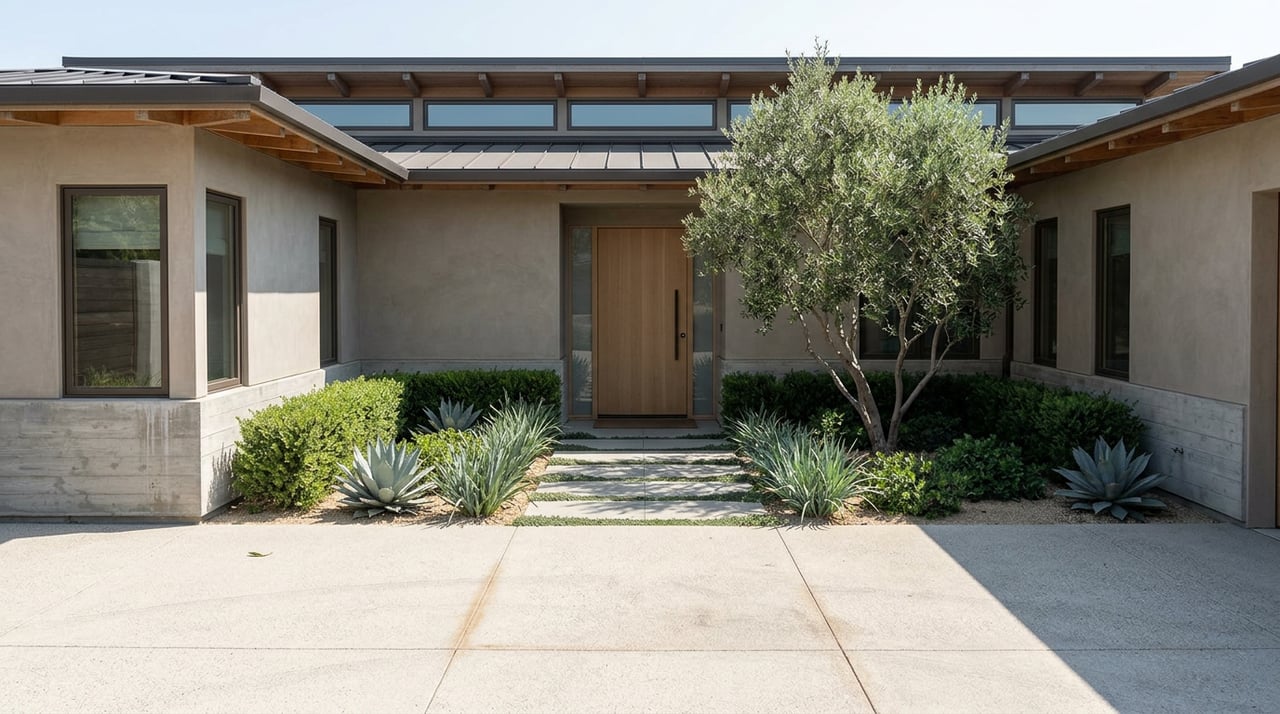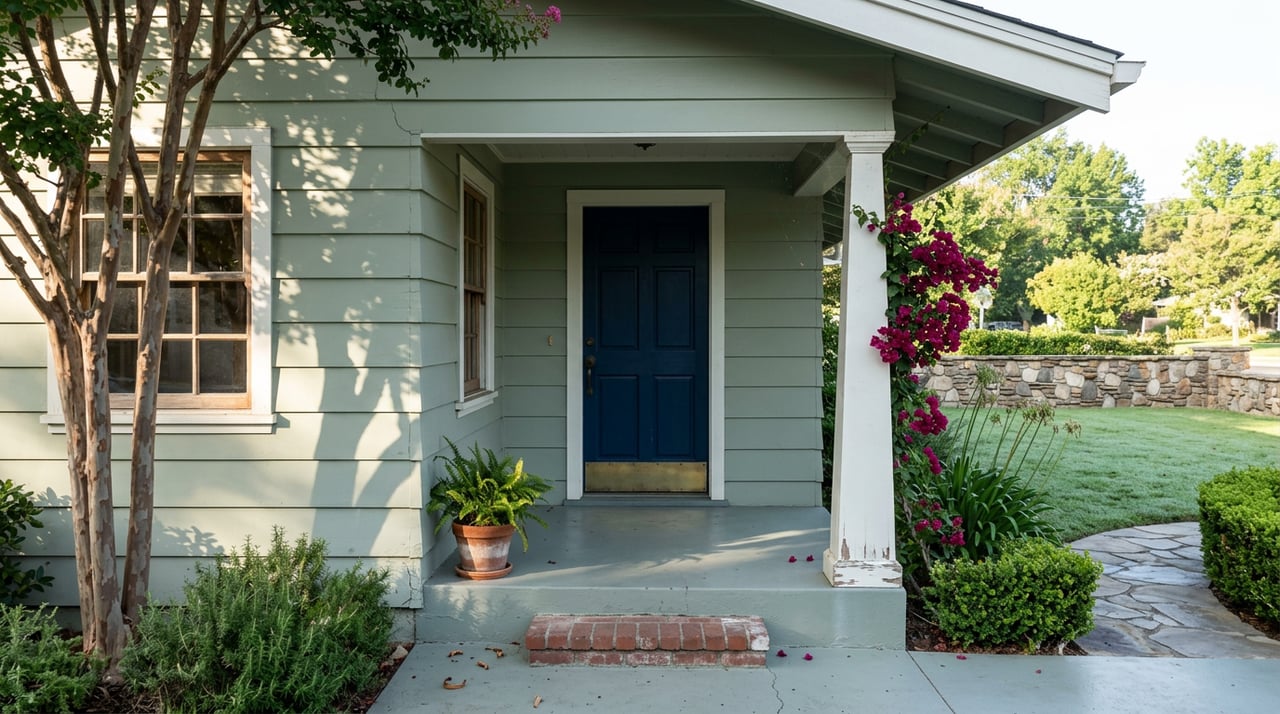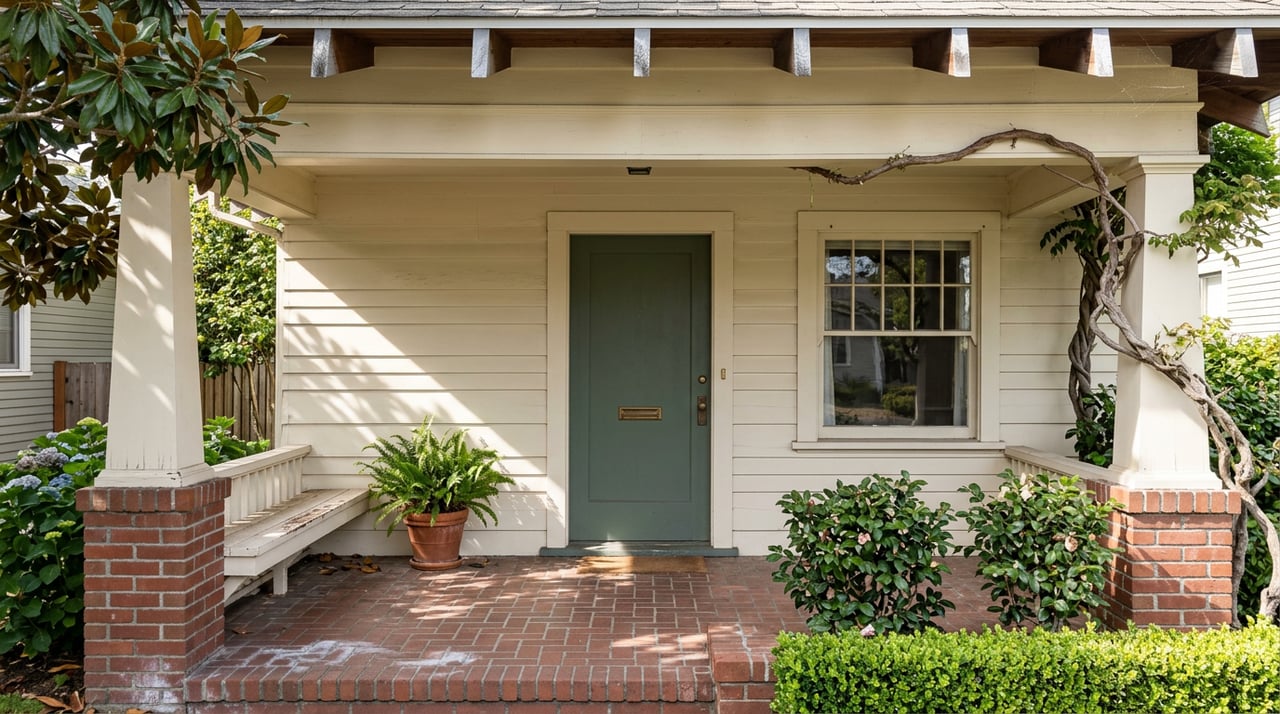
Walk two blocks in Bungalow Heaven and you'll pass a bronze plaque bolted next to a front door, the kind the city sells to owners once they've enrolled a home in the Mills Act program. Most buyers see that plaque and do the same quick math: historic home, tax break, cheaper to own. Walk half a block further to an architecturally identical 1912 Craftsman with no plaque, and the assumption flips again, no Mills Act, no benefit, just a pretty house with a normal tax bill.
Both assumptions are wrong often enough to matter. The Mills Act isn't a feature a home either has or doesn't. It's a legal contract, and what it actually means for your offer depends on when it was signed, who's held the property since, and what obligations come attached that don't show up on a listing sheet.
What You're Actually Buying If a Contract Is Already Attached
Pasadena's Historic Property Contract Program, the local name for the state's Mills Act, was established by city ordinance in October 2002 under California Government Code sections 50280 through 50290. In exchange for a reduced property tax assessment, the owner agrees to maintain, and in some cases rehabilitate, the home according to the Secretary of the Interior's Standards. The city can and does inspect for compliance.
Here's the part that catches buyers off guard mid-escrow: that contract isn't the seller's to keep or cancel at closing. It's recorded on title and it transfers to you. If you buy a Mills Act home, you inherit the remaining years of a term that started with someone else's maintenance plan, someone else's photographed condition report, and someone else's promises to the city. Ask for the recorded contract before you write an offer, not after. You want to see the maintenance plan, any compliance letters on file, and how many years remain, since Pasadena's contracts run an initial 10-year term and renew automatically each year unless either party files to non-renew.
Where This Actually Shows Up on the Ground in Pasadena
The city has designated more than 130 individual properties as landmarks or historic monuments, and it recognizes more than 25 landmark districts citywide, each with its own history and, often, its own neighborhood association running the paperwork.
| District | Status | Defining detail |
|---|---|---|
| Bungalow Heaven | Pasadena's first landmark district, largest at roughly 1,139 properties | Centered on McDonald Park, added to the National Register in 2008, runs an annual self-guided home tour |
| Garfield Heights | Second landmark district, designated 1998 | Bounded by Washington Blvd, Mountain St, Marengo Ave, and Los Robles Ave; designation followed a resident-led petition that cleared 51% owner support |
| Historic Highlands | Currently second-largest at 479 properties | Early 20th-century suburban expansion, large lots, winding streets |
| Washington Square | Local landmark district | Roughly 250 homes built between 1910 and 1940 |
| Orange Heights | First Pasadena neighborhood on the National Register, 1995 | Once nicknamed "Pill Hill" for the physicians who lived there |
| Madison Heights | Not yet designated, actively petitioning for landmark status | Would become the city's second-largest district if approved, developed mostly 1910 to 1917 |
That last row matters more than it looks. A home in Madison Heights today sits outside formal landmark protection, which means it isn't automatically Mills Act eligible even if it was built in 1913 and looks the part. Eligibility generally requires the property already carry designation, whether as a city landmark, a Greene and Greene work, a National Register listing, or a contributing building inside an existing historic district. A charming old house and a Mills Act candidate are not always the same house, and Pasadena's own historic property database, CHRID, is the place to check status before you fall for one.
The Calendar Quirk Nobody Mentions
Pasadena runs the Mills Act as an annual, capped application cycle, not an open-enrollment perk you sign up for the moment escrow closes. This year's window closed on May 29, 2026. Anyone assuming they could apply the day after taking title this summer will be waiting for the next cycle to open.
Timing works the other direction too. If a contract records by December 31, the reassessment typically clears the Los Angeles County Assessor's office by the following June 30, and the reduced bill doesn't actually land until that October's property tax statement. Buy a home mid-year expecting an immediate discount and you'll be paying the old assessment for a while first. It's not a flaw in the program. It's just a lag most listing conversations skip.
Why Some Owners Never Bother Enrolling
This is the piece that flips the obvious story on its head. The county calculates the Mills Act assessment using an income-based formula, essentially treating the home as if it generated rental income, rather than the standard market-value approach Proposition 13 otherwise uses. For a long-time owner who bought decades ago and already carries a low Prop 13 base-year assessment, that Mills Act formula can land higher than what they're already paying. In that case, enrolling would raise their taxes, not lower them.
That's why walking a district full of designated, eligible homes doesn't mean walking a district full of Mills Act contracts. Some owners qualify and simply have no financial reason to apply. Historically, participants who did see savings averaged around 50 to 51 percent off their assessment, with a documented range from about 20 to 75 percent, but the city is explicit that there's no guaranteed outcome. It depends entirely on what the owner's current basis already looks like.
The Renovation Trade You're Making
Designation changes what you can do to a home's exterior, not what you can do inside it. Interior work, paint color, and landscaping are generally exempt from historic review. Visible exterior changes, additions, or demolition of a non-contributing structure inside a district typically require a Certificate of Appropriateness before a building permit can be pulled, and Commission-level review runs slower than staff-level sign-off.
Two smaller mechanics are worth knowing before you plan a remodel. Owners of designated historic buildings can elect to use the California Historical Building Code, an alternative compliance path that can let a property keep an original porch railing that wouldn't meet today's height standard, and additions in a landmark district can sometimes qualify for a waiver of the standard two-car parking requirement. On the flip side, California's SB 9, the state law that allows ministerial lot splits and up to two units on many single-family parcels, generally does not apply to properties inside a historic district or on a locally designated landmark lot. Buying into Bungalow Heaven or Garfield Heights means opting out of that particular by-right flexibility in exchange for the district's protections.
A Few Questions Worth Settling Before You Offer
Does every historic-looking Pasadena home qualify for the Mills Act? No. The property generally needs existing designation, whether as a city landmark, a contributing building in a landmark or National Register district, a Greene and Greene work, or an individually listed National Register property.
If I buy a Mills Act home, can I cancel the contract I don't want? Not on your own terms. The contract binds you as the new owner for its remaining term, and non-compliance can trigger cancellation penalties from the city rather than a simple opt-out.
Does the federal 20 percent historic rehabilitation tax credit apply to a home I'll live in? Generally no. The National Park Service limits that credit to income-producing historic properties, so an owner-occupied residence typically doesn't qualify, though the Mills Act's local tax benefit is separate from that federal program.
A Mills Act home in Pasadena can be a genuinely good buy, and a landmark district can be one of the more stable, well-tended corners of the market. Getting it right just means reading the contract, checking the calendar, and asking why the current owner did, or didn't, sign up in the first place.
If you're weighing a historic Pasadena property, or wondering what your own home's designation status might mean for a future sale, Homes With Alin can walk the specific contract, district rules, and timeline with you before you write an offer. Get Your Instant Home Valuation to start the conversation.